What the hospital allows decides which of these gifts is yours, and a call to the unit or the nurses’ station settles it faster than any guess.
The list covers a lot of ground, from nuts, dried fruit and granola bars to a gift hamper, a silk sleep set, a potted plant, a chocolate candy bouquet and a Get Well Soon balloon.
1. Nuts, Dried Fruits and Granola Bars

Packaged snacks hold up better in a hospital room than anything homemade.
Sealed granola bars in clear wrappers can sit in a bedside drawer for days, and a tray like this one makes a pile of them look like a gift.
Add a bag of nuts and some dried fruit for variety, and pick single-serve packs so nothing gets stale once opened.
Check with the nurses’ station first if the patient is on a restricted diet, and skip anything with a nut warning unless you know it’s safe.
2. Photos and Heartwarming Notes
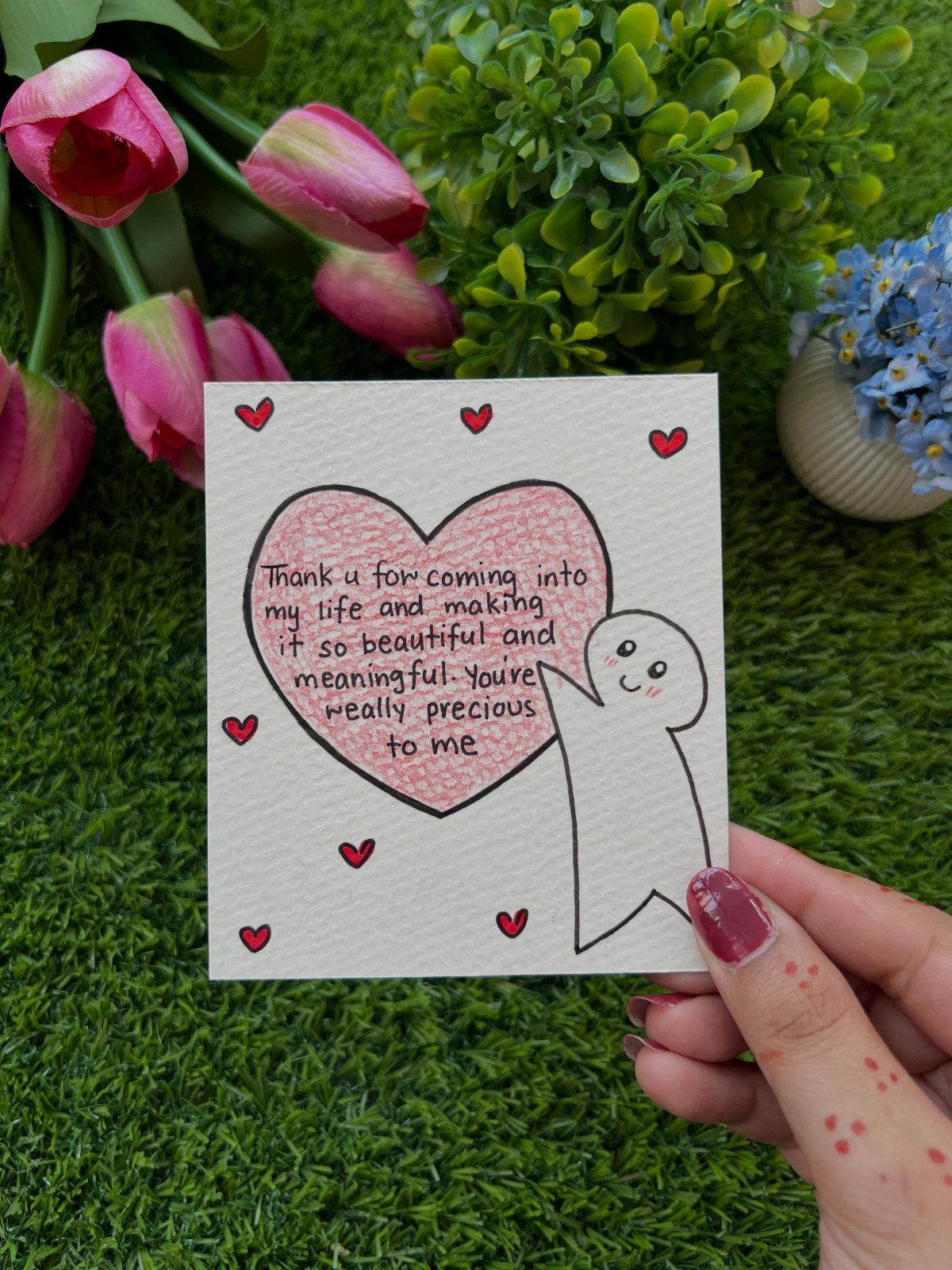
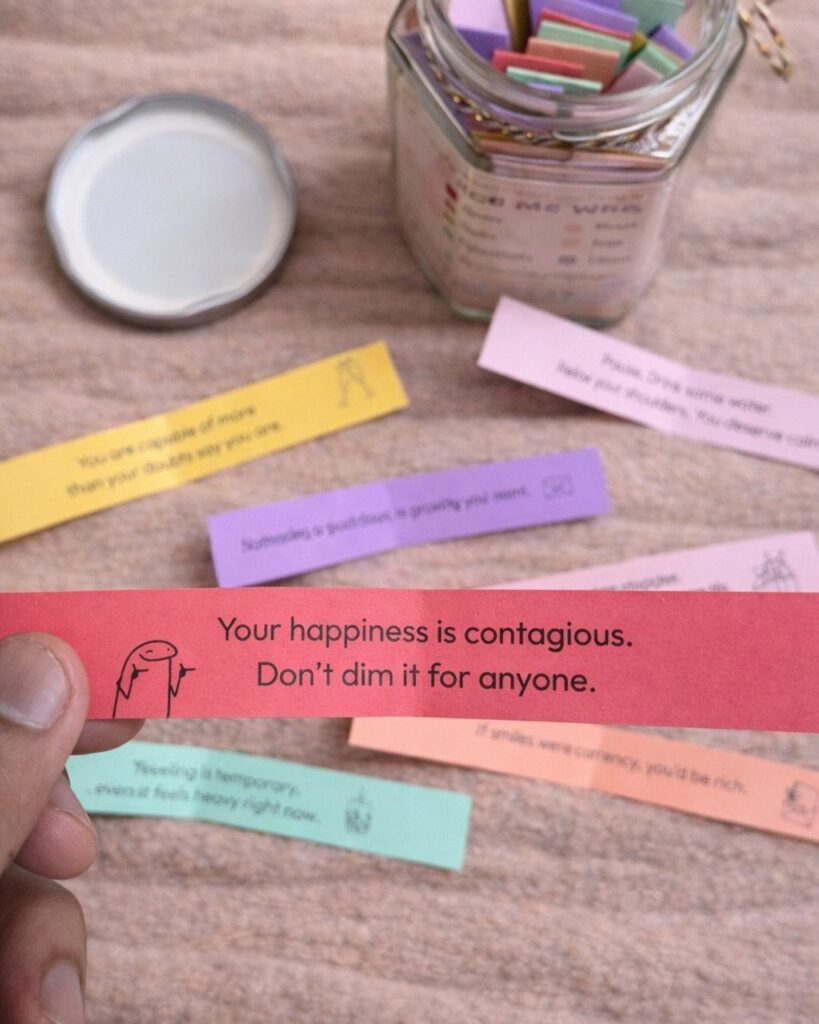
A few lines in your own writing cost almost nothing and get read more than once. Short and specific works best: one memory, one thank you, one line about what you’re looking forward to doing together.
Hospital days run long and quiet, so a note someone can reread during a sleepless stretch does real work.
Tape a few printed photos to the inside of a folded card, or tuck a small stack of them in with a note. Tape or a clip keeps them on a wall or tray table without damaging anything.
3. Gift Hamper
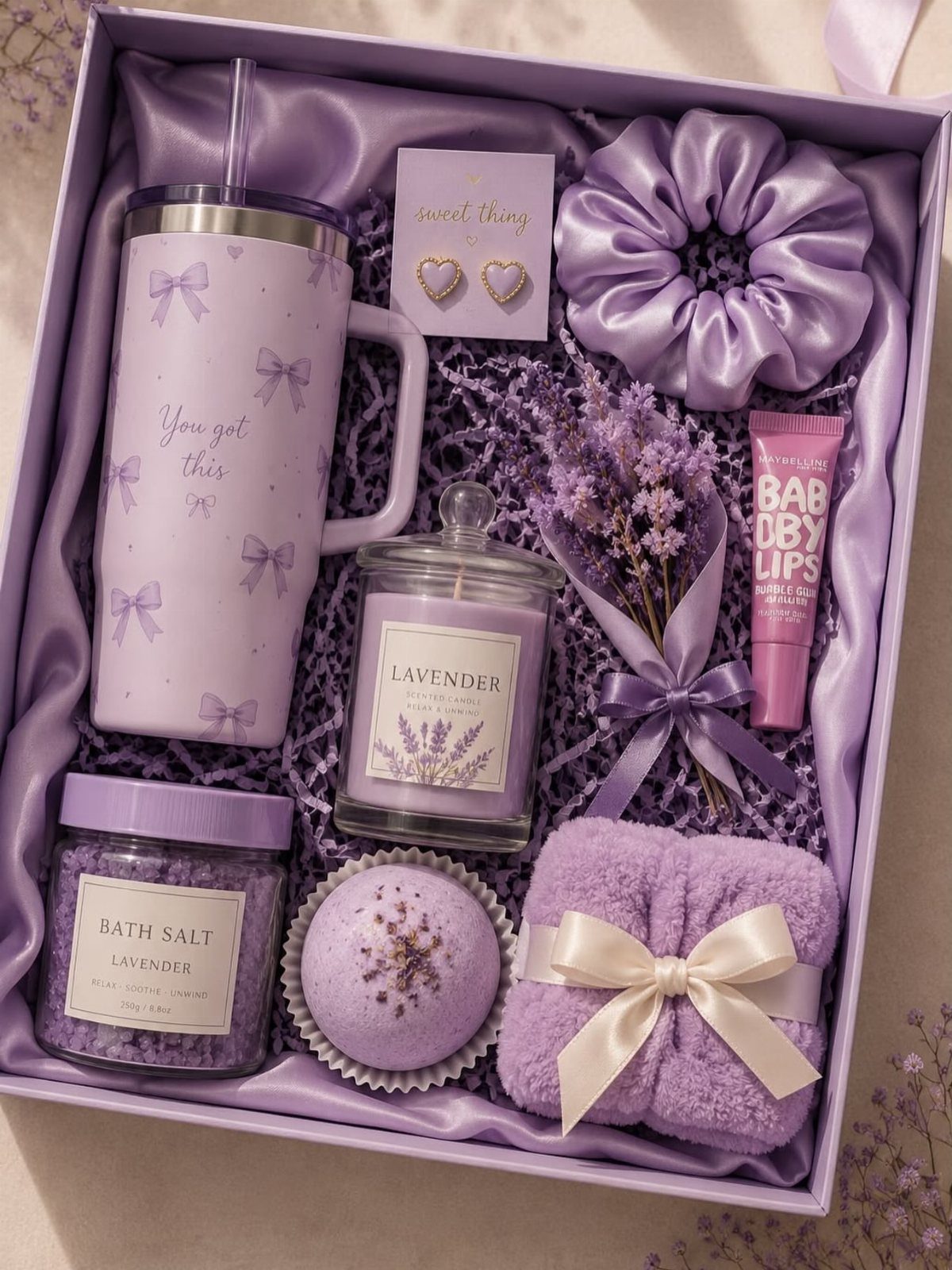
My pick for a hamper is one built around a single theme, and lavender spa items do that well.
Tailor it to the hospital, though. Bath bombs and salts need a tub at home, and many hospitals don’t allow open flames, so a candle may have to wait until recovery.
Ask yourself which pieces the patient can use in the room, and tell them what to save for later.
4. Silk Sleep Set

Hospital nights are bright and noisy, which is why a sleep set earns its place.
A satin pillowcase, a matching sleep mask and a scrunchie fit in one flat box and cover the basics: comfort for the face, dimness at the eyes, and hair kept off the neck.
The pillowcase is the practical piece, since it swaps for a scratchy hospital one in seconds. Choose a color the patient will like and pack it in a gift box for easy delivery.
5. Small Potted Plants
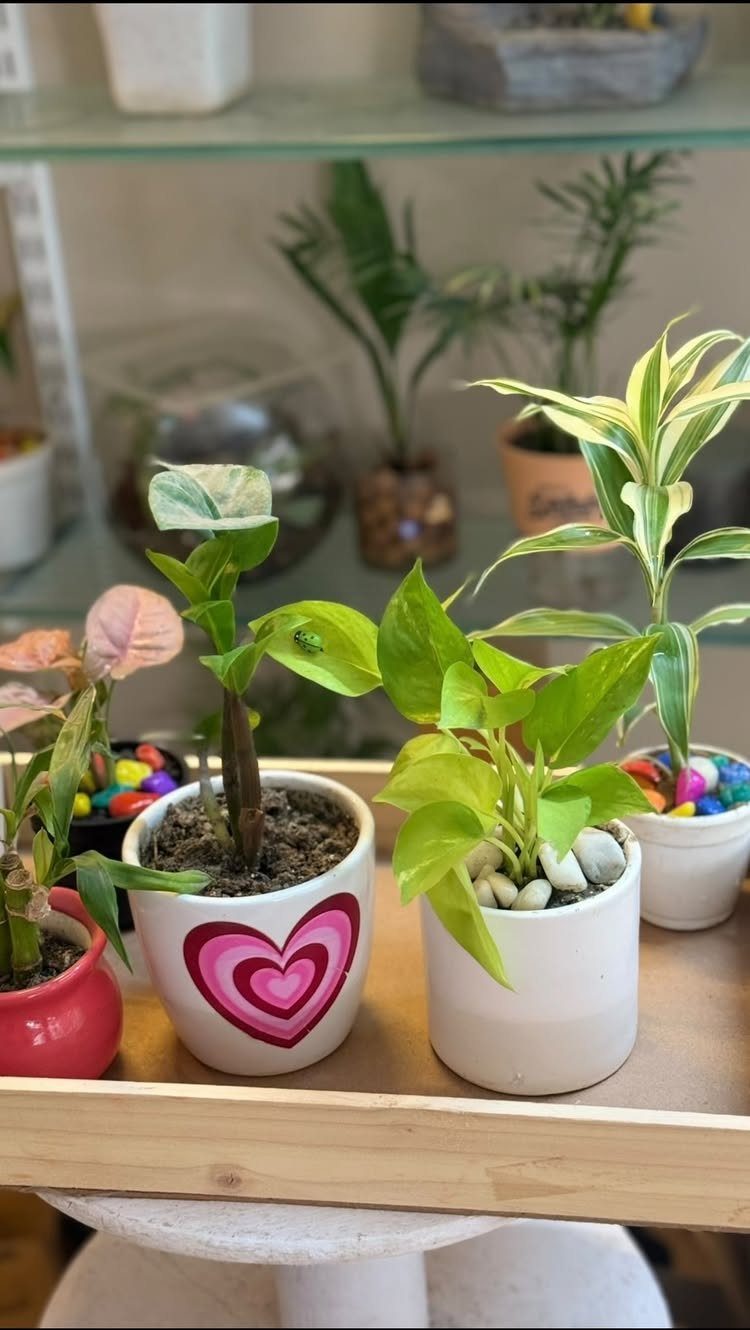
Groups of tiny plants on a tray give a windowsill the feel of a little garden, and one with a heart on the pot says the message for you.
Look for compact pots that fit a narrow ledge or bedside table.
Before buying, call the hospital, because some units limit live plants or flowers.
Also think about who has to water them. A hardy, low-fuss plant is kinder than a fussy one, and it can go home with the patient afterward.
6. Cute Stuffed Animal

A fluffy white teddy in a pink plush hooded jumpsuit is the kind of gift that gets hugged, not just looked at. Soft and pillow-sized is good for someone who needs something to hold during a rough day.
Pick a toy with a tag stating it’s surface washable or has plain stitched features, since it will spend time on hospital bedding. Pack it flat in clear wrapping instead of a hard box so it travels easily.
7. Chocolate Candy Bouquet
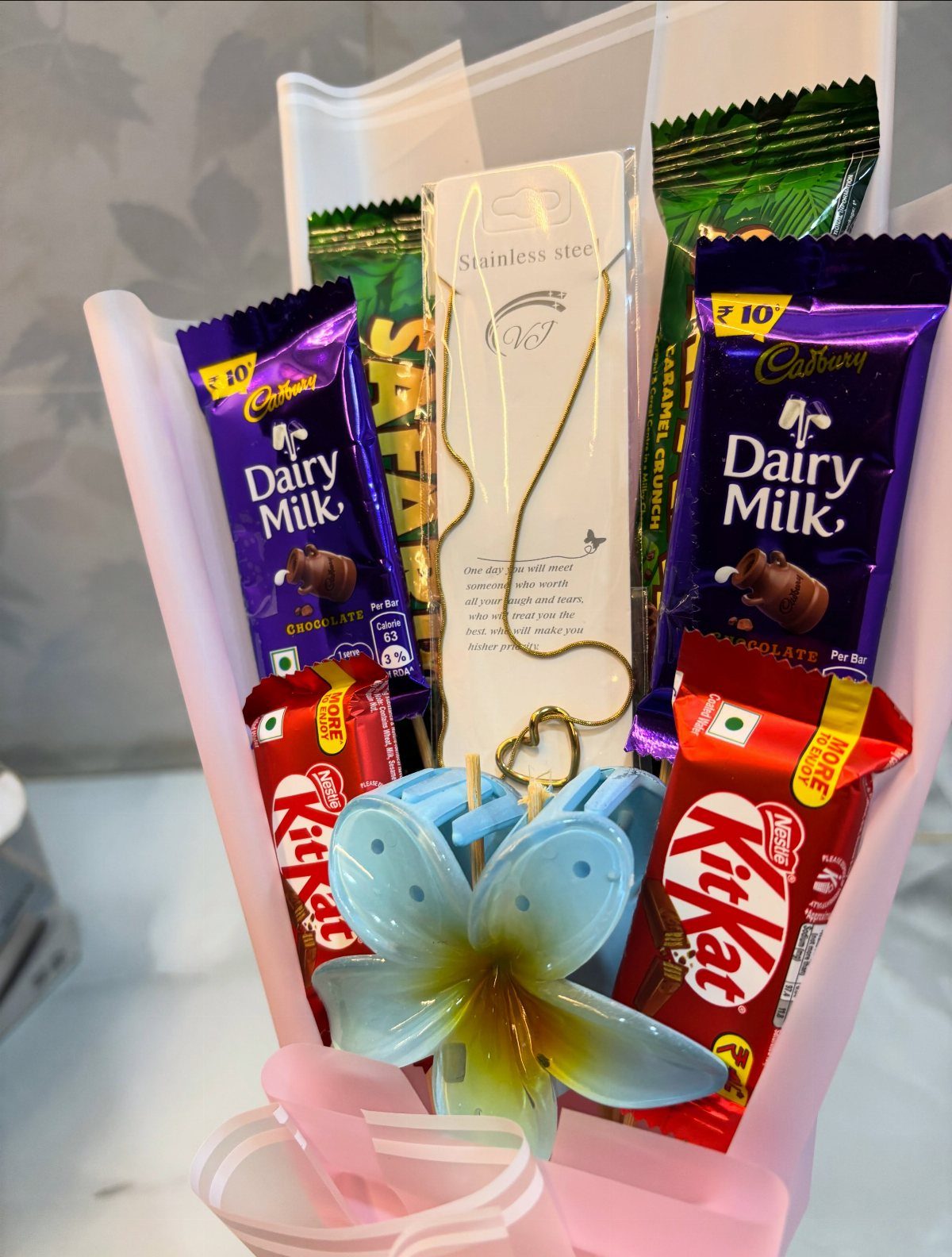
Chocolate bars wrapped like flowers read as a bouquet and eat like a snack basket.
Dairy Milk and KitKat bars are sealed and easy to share with visitors, and the little necklace in its packaging gives the patient something to keep after the chocolate is gone.
Call the nurses’ station before sending it, since a patient on a restricted diet may not be able to eat the chocolate at all.
If so, swap the bars for something else and keep the wrapping. Pink and white paper keeps the whole thing soft and cheerful.
8. Herbal Wellness Tea Jar
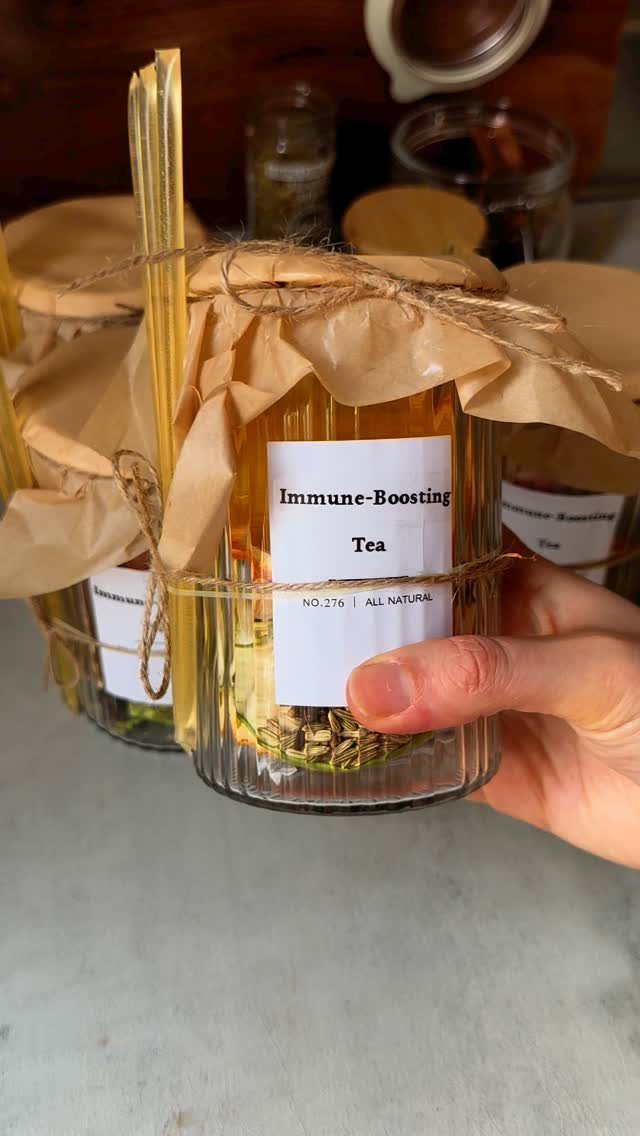
A jar of loose leaf tea with a brown paper lid and twine looks homemade even if you only filled and labeled it.
A tag naming the blend, like the immune-boosting one here, tells the patient what it’s for without any explaining.
Brewing instructions belong on the label in a line or two, and a mug or infuser tucked beside the jar means the tea can be made the moment it’s opened.
Ask first whether the patient has any dietary limits or medication that rules out certain herbs. A hospital room may only have hot water, so the infuser matters.
9. Decorated Glass Water Bottle
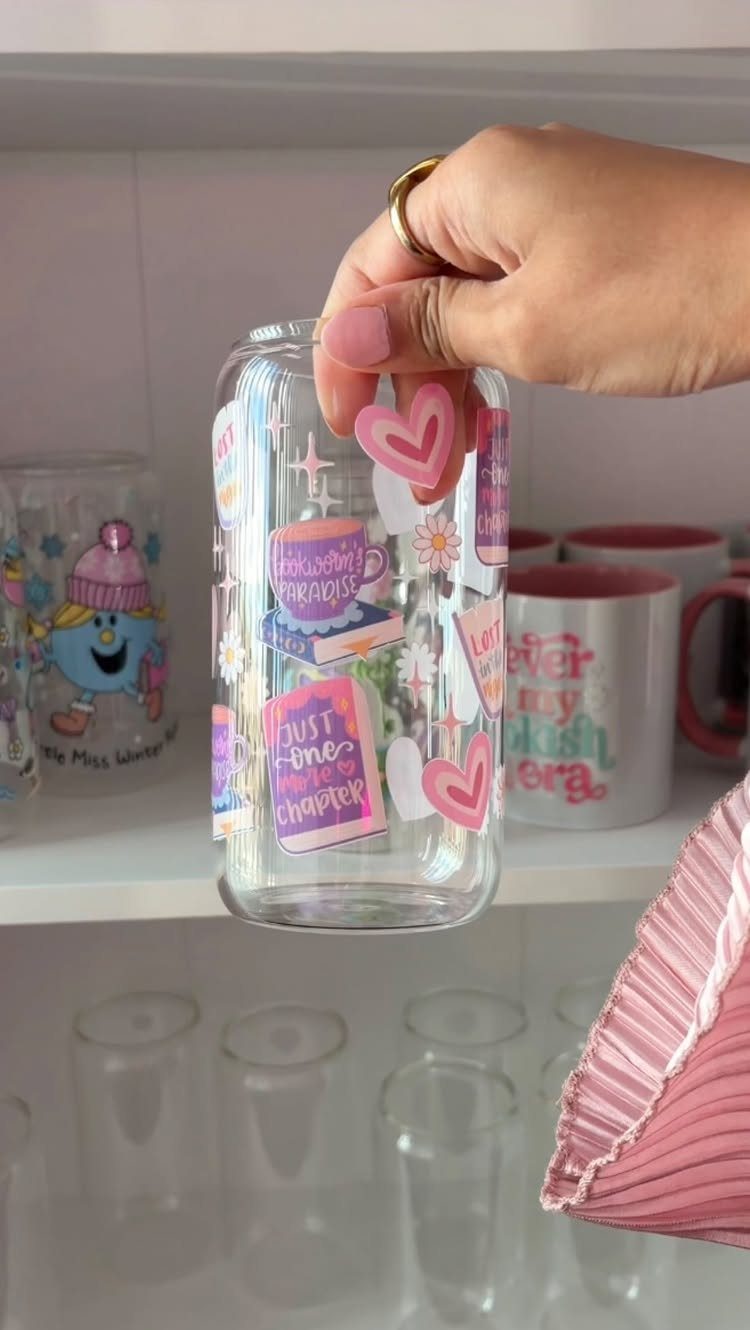
Stickers turn a plain glass bottle into something personal, and I’d choose ones that match the patient’s taste. Bookish slogans like "just one more chapter" suit a reader who will have long hours to fill.
Wash and dry the glass first so the stickers hold. Press each one flat, smoothing out air bubbles from the center outward.
Glass is heavy and breakable, so pack it with padding for delivery. Also confirm that the patient is allowed to drink freely before you fill it.
10. Crochet Flower Bouquet
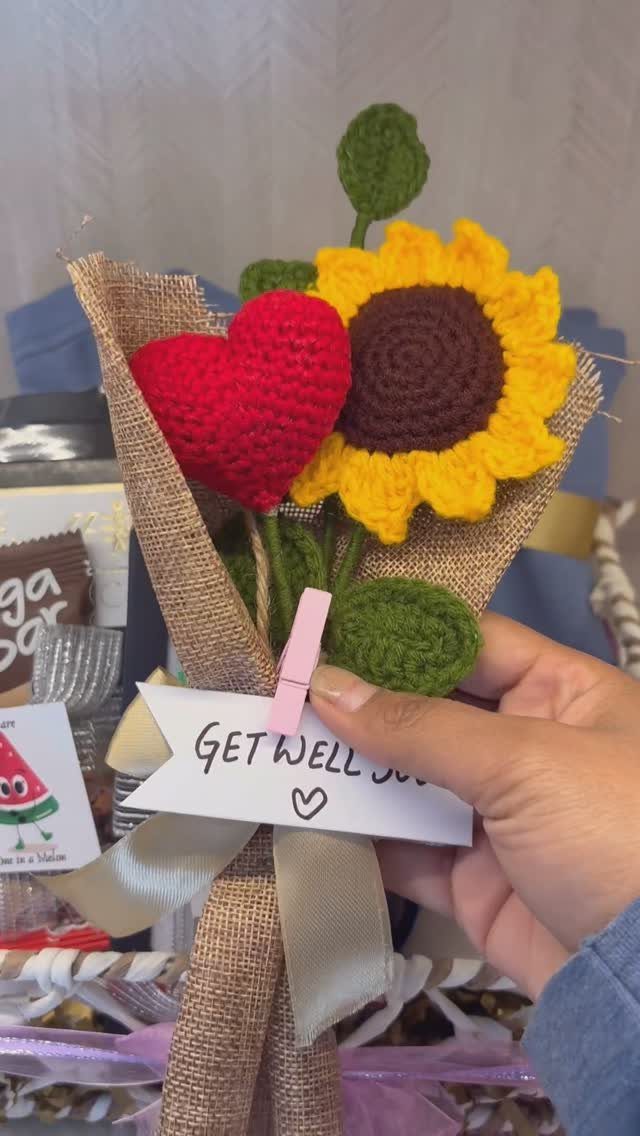
Crochet flowers never wilt, which makes this the one bouquet that needs no water, no pollen warnings and no pickup after discharge.
A sunflower with a red heart, wrapped in burlap, stays cheerful on a tray table for as long as the patient wants it there.
Clip a card to the stems with a clothespin so the message travels with the flowers and can be unclipped and kept on a bedside table.
If you don’t crochet, handmade bouquets like this are easy to find from small sellers, but allow time for shipping. Keep the bouquet small enough to fit a narrow bedside table.
11. Get Well Soon Balloon
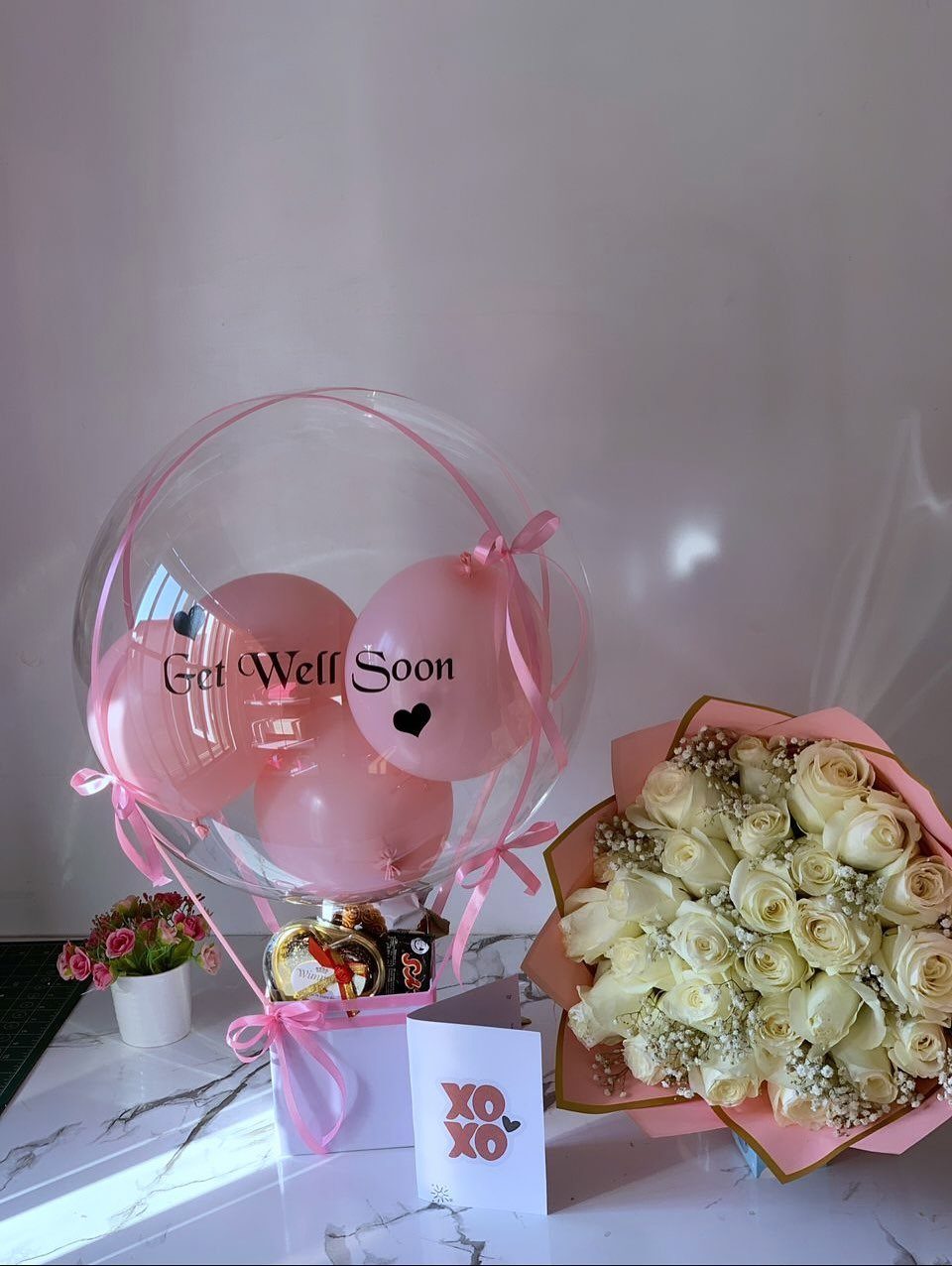
A large clear balloon packed with mini pink balloons and printed with "Get Well Soon" fills a corner of the room with color.
Pair it with white roses, the way this arrangement does, and you get something soft and bright in one delivery.
Check hospital rules before ordering.
Some units restrict flowers, and latex can be a concern for patients with allergies, so ask whether foil or latex-free balloons are the safer option. A small card, like the "XOXO" one here, adds the personal touch.
What to Avoid Sending
Sharp objects are the easiest thing to forget: leave out scissors, knives and anything with a blade, even a craft knife meant for a puzzle or hobby kit.
Valuables stay home too. Cash and expensive electronics can go missing in a room that staff and visitors walk through all day.
Alcohol is generally not allowed in hospitals, so skip it, including the "celebration" bottle for after discharge. Anything that needs refrigeration is a problem as well, since a patient room rarely has a fridge.
Large or bulky gifts and breakable ones crowd a small room, and strongly scented products can bother a roommate in a shared room.
When you’re unsure, go small, practical and unscented. A call to the hospital settles most doubts.
Delivery Considerations
Before you pack the car, a quick call to the hospital or a look at its website will tell you what the unit allows through the door.
Confirm the patient’s room number and ask whether packaged items can be dropped off.
Put the patient’s full name and unit or room number on the outside of the package, because a name alone can get lost at a big front desk.
Handing it over in person feels warmer, though a mailed basket works fine if the hospital accepts deliveries.
If you are a friend or acquaintance, message a family member first. They know whether the patient is tired or not taking visitors that day, and your visit can still stay a surprise if you don’t mention the gift.
Time the drop-off away from medication rounds and nurse shift changes. A patient who is asleep or down the hall for tests doesn’t mean a wasted trip, since the nursing staff can usually hold the basket until they’re back.
Masks, gloves, hand sanitizer or distance markers may be posted at the unit door, so follow them even if it feels fussy.
Personalization of Gifts
A hospital room is cramped and already crowded with equipment, so I pick something small, soothing to the senses and easy to enjoy from a bed.
My short list: a soft sock or blanket, a drink to sip slowly, and a puzzle book, knitting or other small project for the hands and mind.
Comfort beats spectacle. A large hamper can feel like a burden to someone with no place to put it.
Match the gift to the person. A reader, a crafter and a puzzle fan each want a different small thing, and a patient who tires easily may prefer something that takes no effort at all.
Ask a family member what the patient has been missing most. Their answer often points to the right gift faster than browsing will.
Frequently Asked Questions
What’s a good gift for someone in the hospital?
Small, practical and comforting wins. From a hospital bed, a satin pillowcase with a sleep mask, loose leaf tea with an infuser, sealed snacks or a washable stuffed animal all earn their keep.
A small room has little space to spare, so I’d skip the oversized hamper; it ends up as one more thing for the patient to move around.
What should I avoid sending to a hospital patient?
Skip sharp objects like scissors and knives, valuables such as cash, jewelry and electronics, and alcohol.
Skip anything that has to stay cold, because most patient rooms have no fridge to hold it. Bulky or breakable gifts take over a small room, and a strong scent can bother whoever shares it.
Can I send flowers or balloons to a hospital patient?
Not always, so call the hospital first.
Call the unit before sending live flowers or plants, since some limit them, and choose foil or latex-free balloons to avoid allergy trouble. Crochet flowers are a safe alternative: they need no water and never wilt.
What are some good ideas for a care package for a sick friend?
Build it around comfort and things usable from bed: a satin sleep set, a tea jar with an infuser, a few printed photos with a note in your own pen, and a bottle of water with stickers they’d like.
Packaged snacks in single-serve packs hold up well for days. If the patient follows a restricted diet, a quick call to the nurses’ station before you buy food saves a wasted gift.
How can I cheer someone up in the hospital?
A short, specific note does a lot: one memory, one thank you and one thing you’re looking forward to doing together.
Days in the hospital run long and quiet, and a card or a few photos taped up within view can be reread through a sleepless stretch.
A family member can usually tell you what the patient misses most, and that answer often points straight to the gift.