Call the nurses’ station first: whether the unit allows balloons or flowers, what the patient can eat or drink, and whether scents are welcome all vary by floor and by person, so ask before you shop.
The ideas run from a pink-slippers-and-travel-mug box to a hummus, orange and "think!" bar snack kit, and from a cheap foil balloon to a bouquet with a handwritten card. Any of these can also wait until the patient is home.
1. Tasty Treats
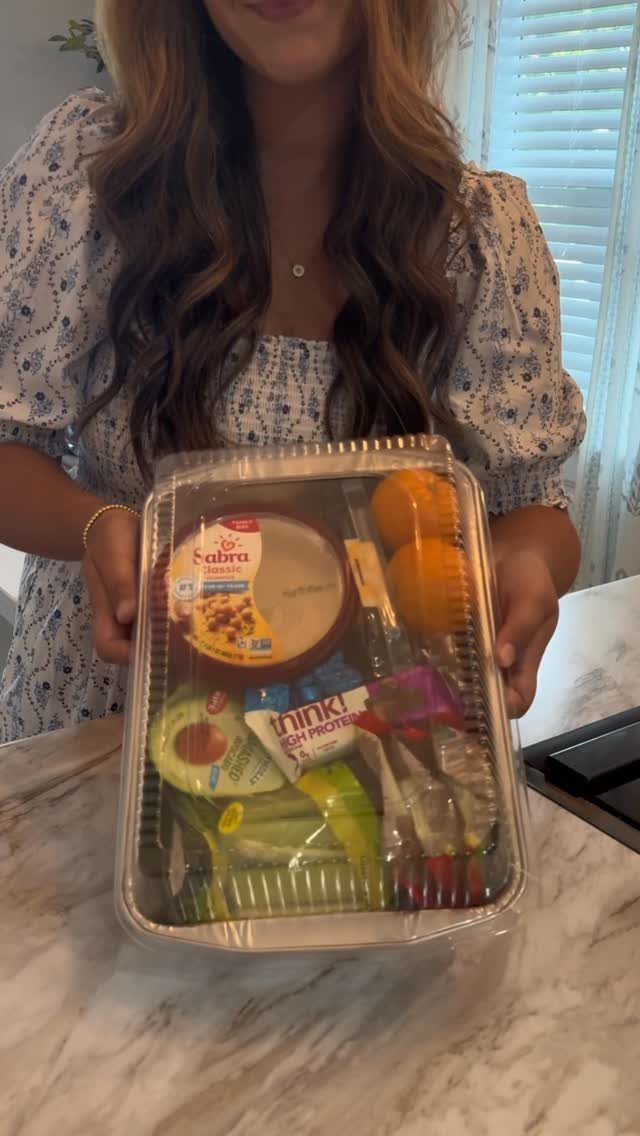
Hummus, an orange and a "think!" bar make a better hospital snack box than a pile of candy. Fresh, protein-heavy food tends to be what people miss when they’re stuck with tray meals.
Pack it in a clear plastic container with a lid so it travels easily and the patient can see what’s inside.
Hummus needs refrigeration, so hand it over at the bedside, or skip it if there’s no fridge nearby. Check with the nurses about any diet restrictions before you pack anything.
2. Personal Care Items
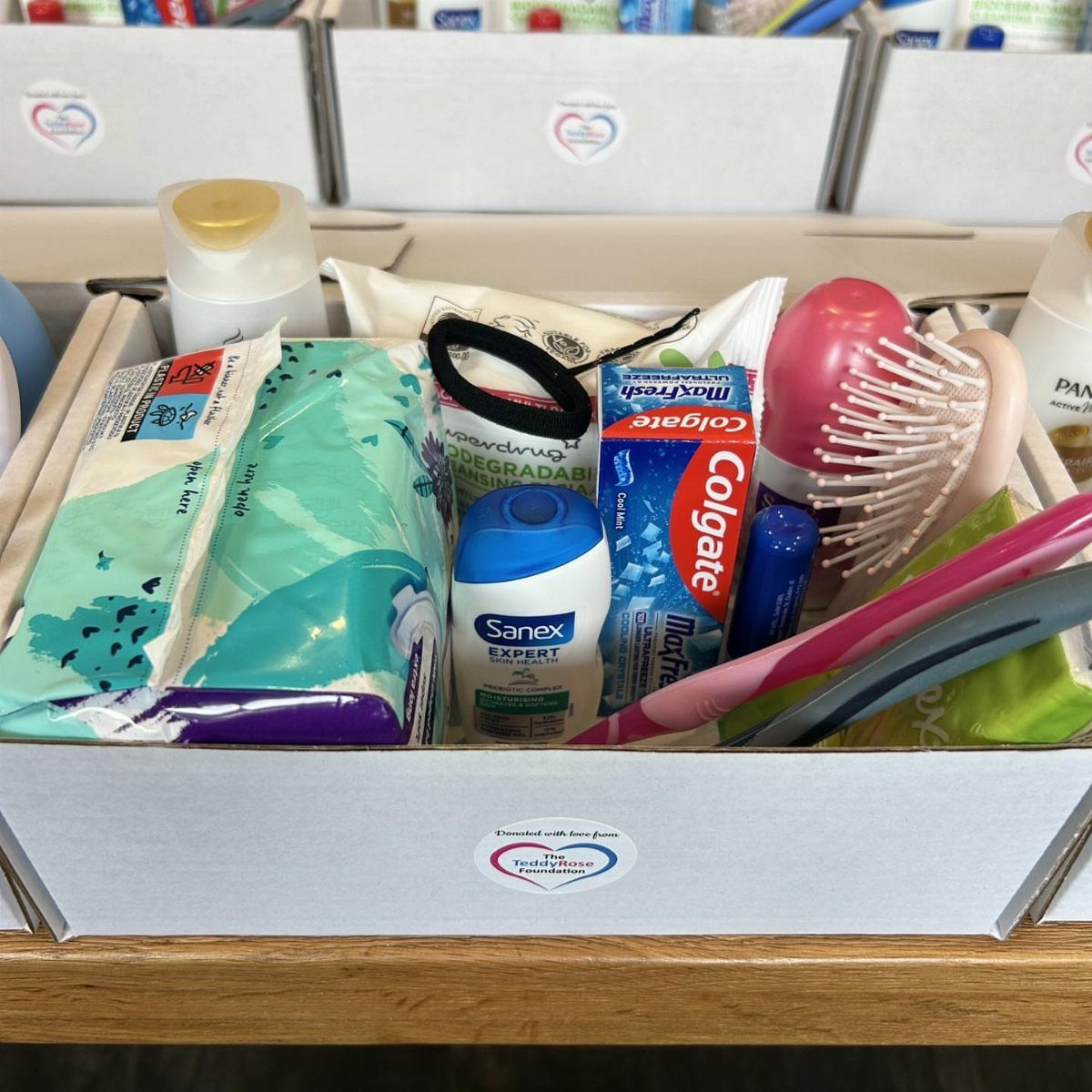
A plain white box of toothpaste, deodorant, a hairbrush and wipes does more for morale than most gifts, because it fixes the small things a hospital stay makes you feel scruffy about.
Buy full-size items you already know the patient uses, or travel sizes if space is tight.
A pink hairbrush adds a little color without costing extra. Drugstore basics keep this one cheap, and wipes are the piece I’d never leave out.
3. Balloons
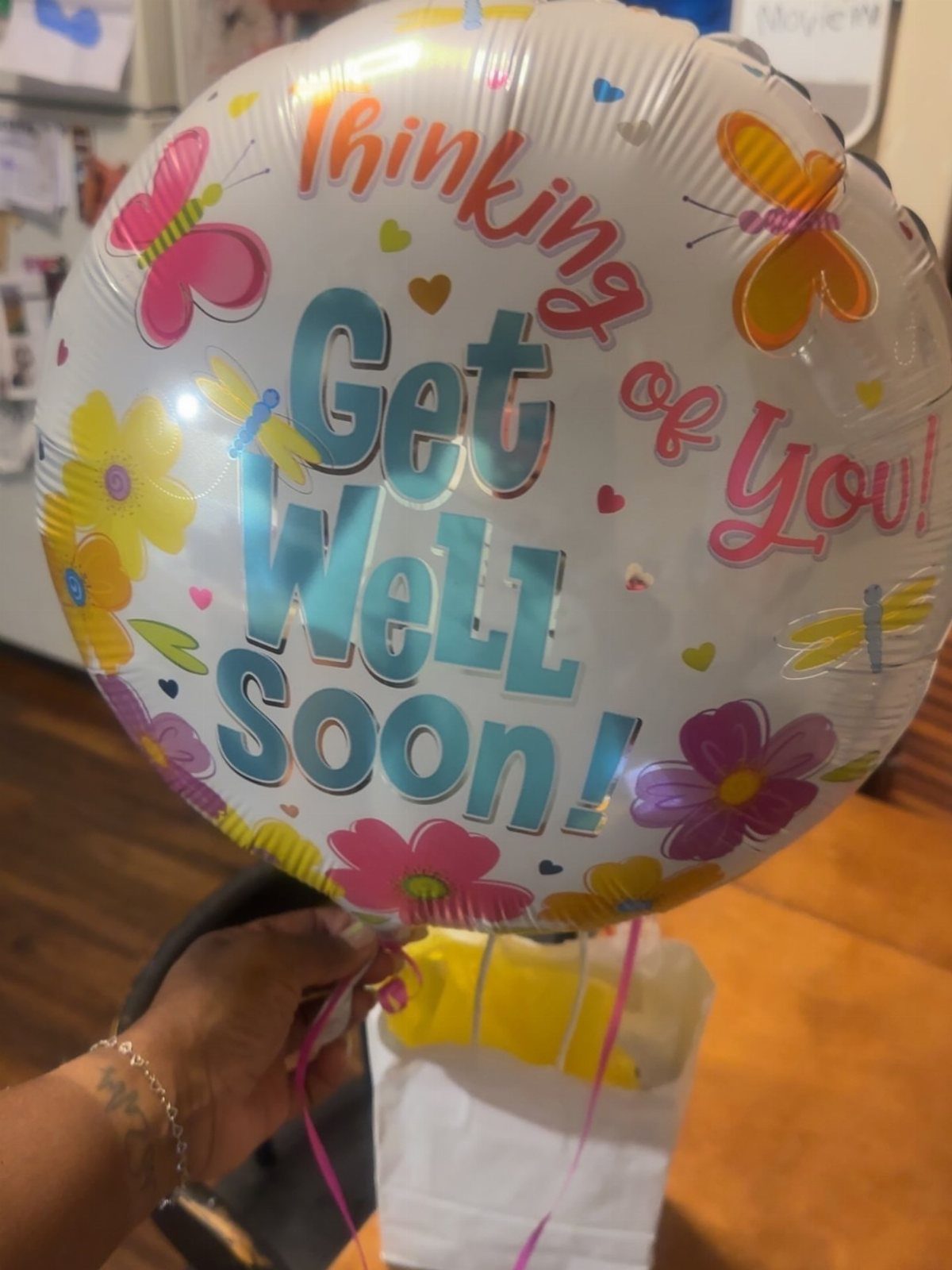
Foil balloons, like the white "Get Well Soon" one with flowers and butterflies, hold their shape far longer than latex, so the message stays up in the room.
Tuck one into a gift bag with a small present and you have a gift that costs very little.
Ask the front desk or a nurse whether balloons are allowed on that unit before you show up, since some hospitals restrict them.
4. Soft Toy
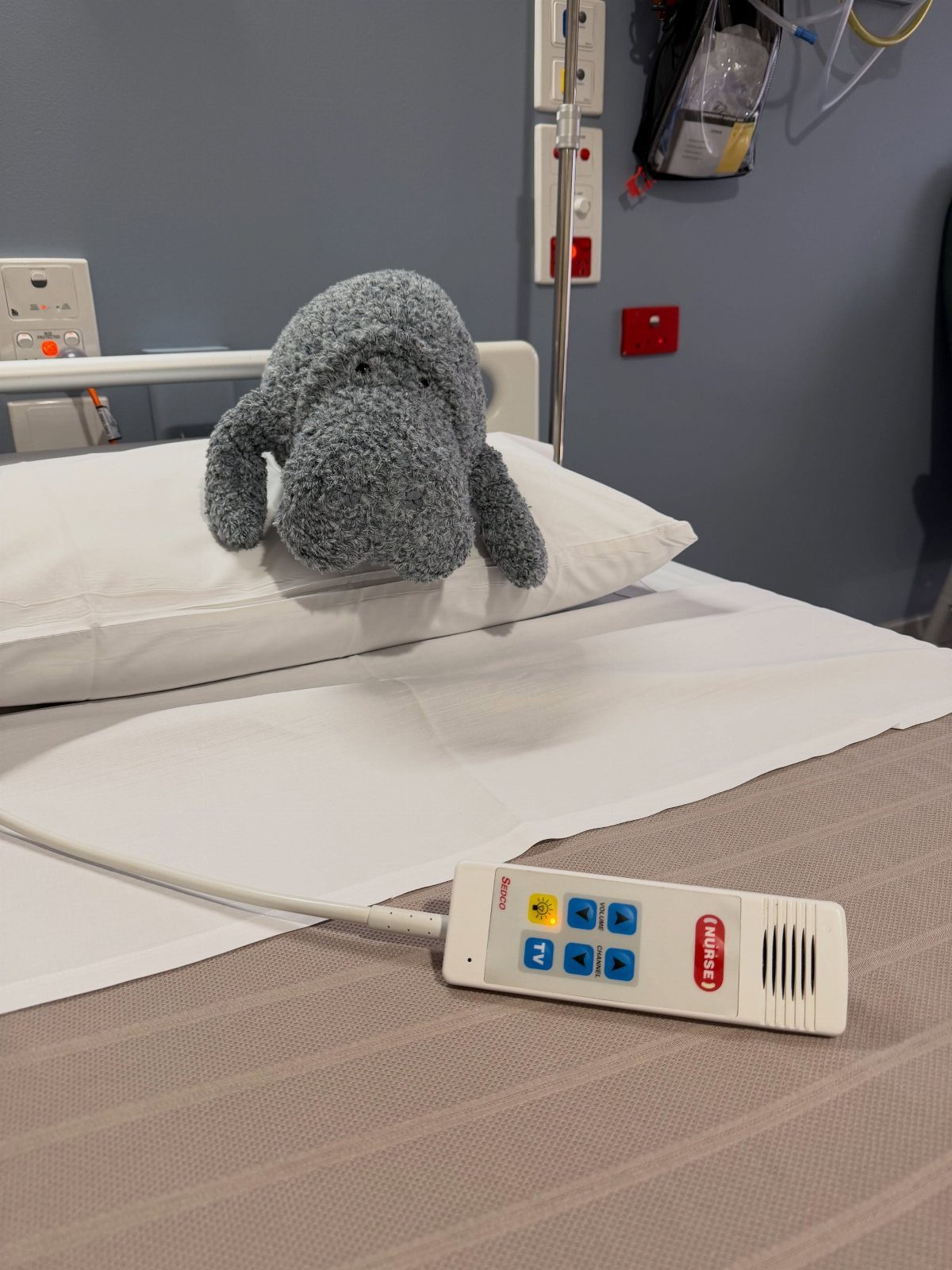
Pick one that’s compact and easy to hug, and avoid anything large that crowds the bed or tangles with cords.
Choose a neutral color so it suits any age. It’s a gift that costs little and asks nothing of the patient.
5. Cozy Blanket and Mug Tray
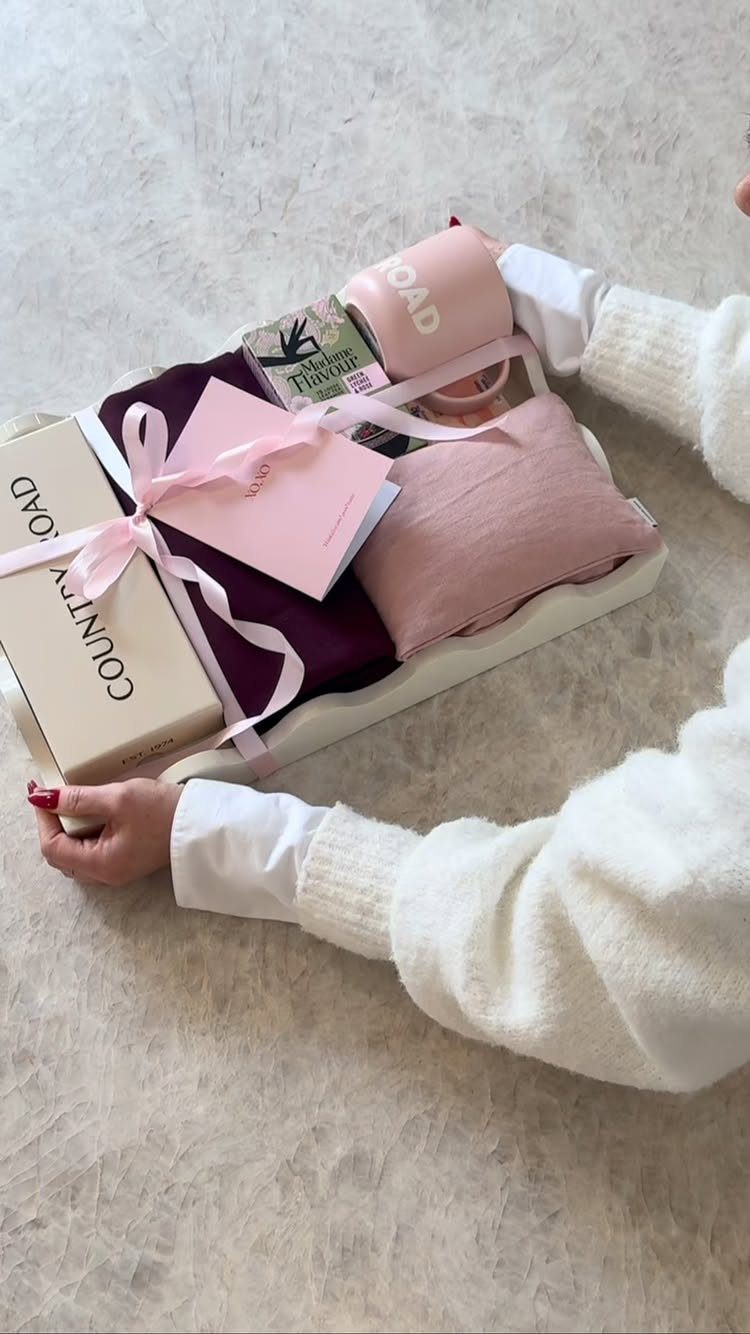
Everything for a quiet afternoon fits on one white tray: a blanket, a mug, a tea box, a pillow and a handwritten note.
I’d pick a purple or other soft-toned blanket, since hospital linens are usually plain and pale. Pair the mug with a tea you know they like.
Write the note last and slide it under the mug so it’s the first thing they read. A tray also doubles as a lap surface.
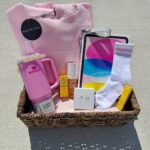
6. Slippers and Travel Mug Box
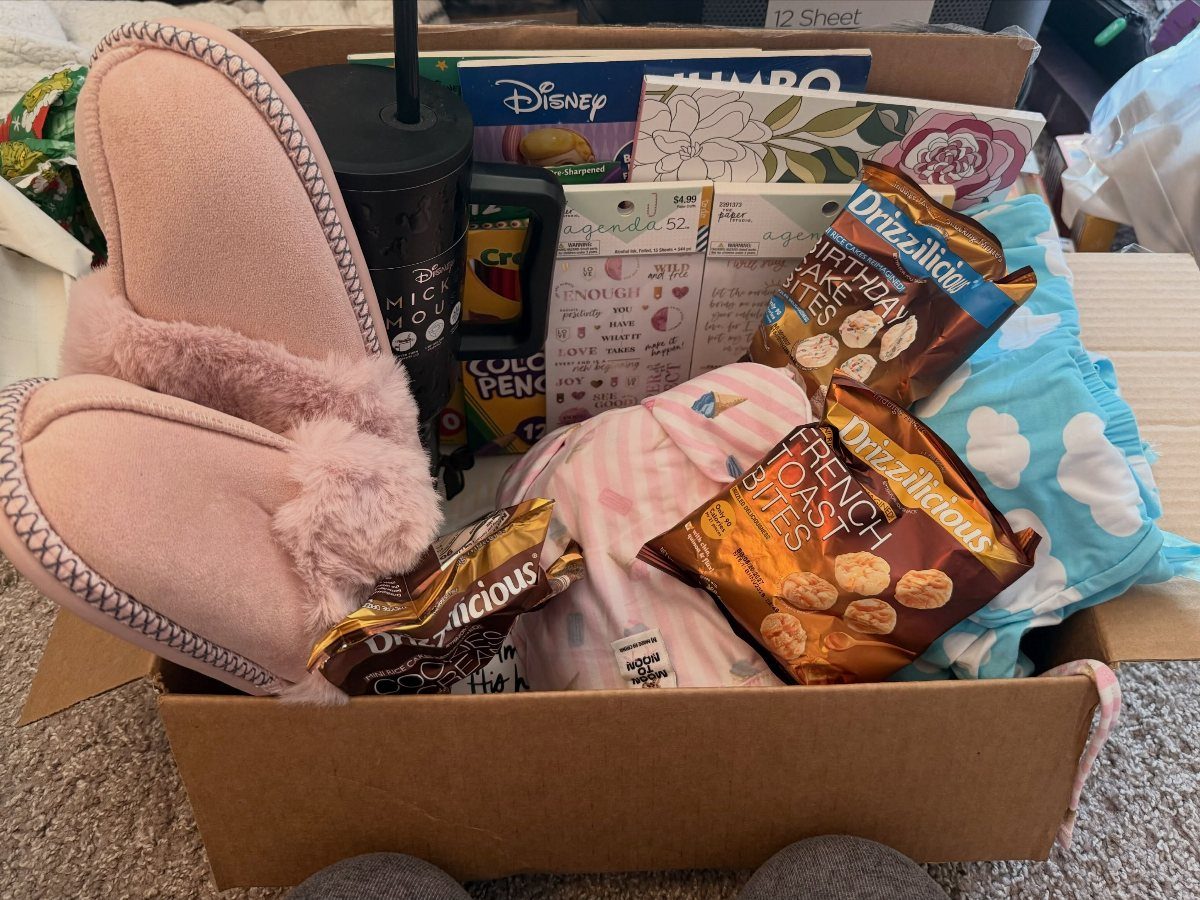
A sturdy cardboard box carries more than a gift bag does, which is why this one holds pink fuzzy slippers, a travel mug, notebooks and snack bags without strain.
Slippers go in first at the bottom, with the mug tucked beside them and snacks filling the gaps.
Notebooks give a patient somewhere to jot questions for doctors. A travel mug with a lid also survives the trip home, so it keeps working after discharge.
7. Books and Puzzle Activities
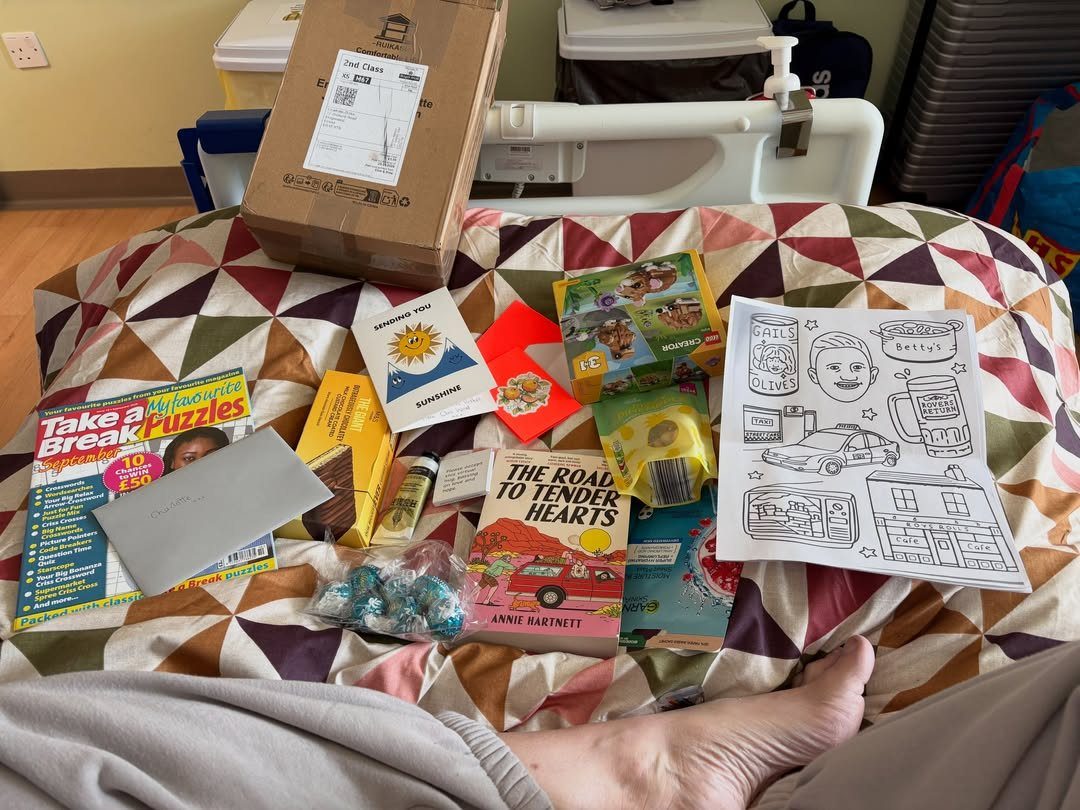
Books, puzzle magazines and coloring pages give a patient something to do with the long, quiet hours between visits and tests.
Pick paperbacks over hardcovers, since they’re lighter to hold in bed.
Puzzle magazines and coloring pages cost very little, which keeps this one friendly to a tight budget. Tuck in a pen or colored pencils, because a puzzle book without something to write with is no use.
Choose titles you know the person enjoys rather than what you’d read yourself.
8. Drinks and Gift Card Basket
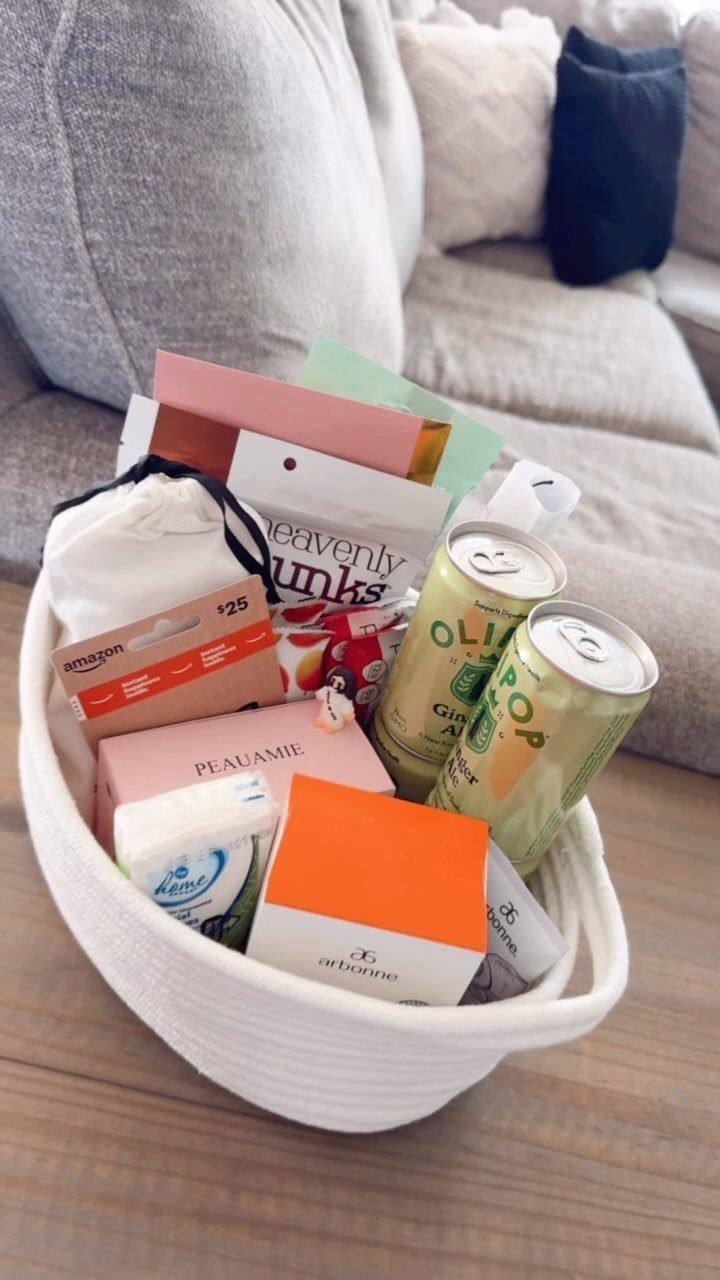
A woven basket holding specialty sodas, a gift card, a few small boxed treats and a couple of greeting envelopes works because every piece is something the patient picks for themselves.
I like the gift card most.
Choose a store they already shop at, so it becomes something to look forward to at home. Skincare in small boxes adds a gentle extra, and the sodas give them a break from plain water.
Check with the nurses about drink restrictions first, and put the cards on top so they get read.
The site’s intuitive interface makes it easy to sort through nearly 330 gifts. And everything gets delivered on time and nicely packaged, in a stylish gift box bedecked with a grosgrain ribbon or a pink muslin drawstring bag.
9. Fresh Flower Bouquet with Card
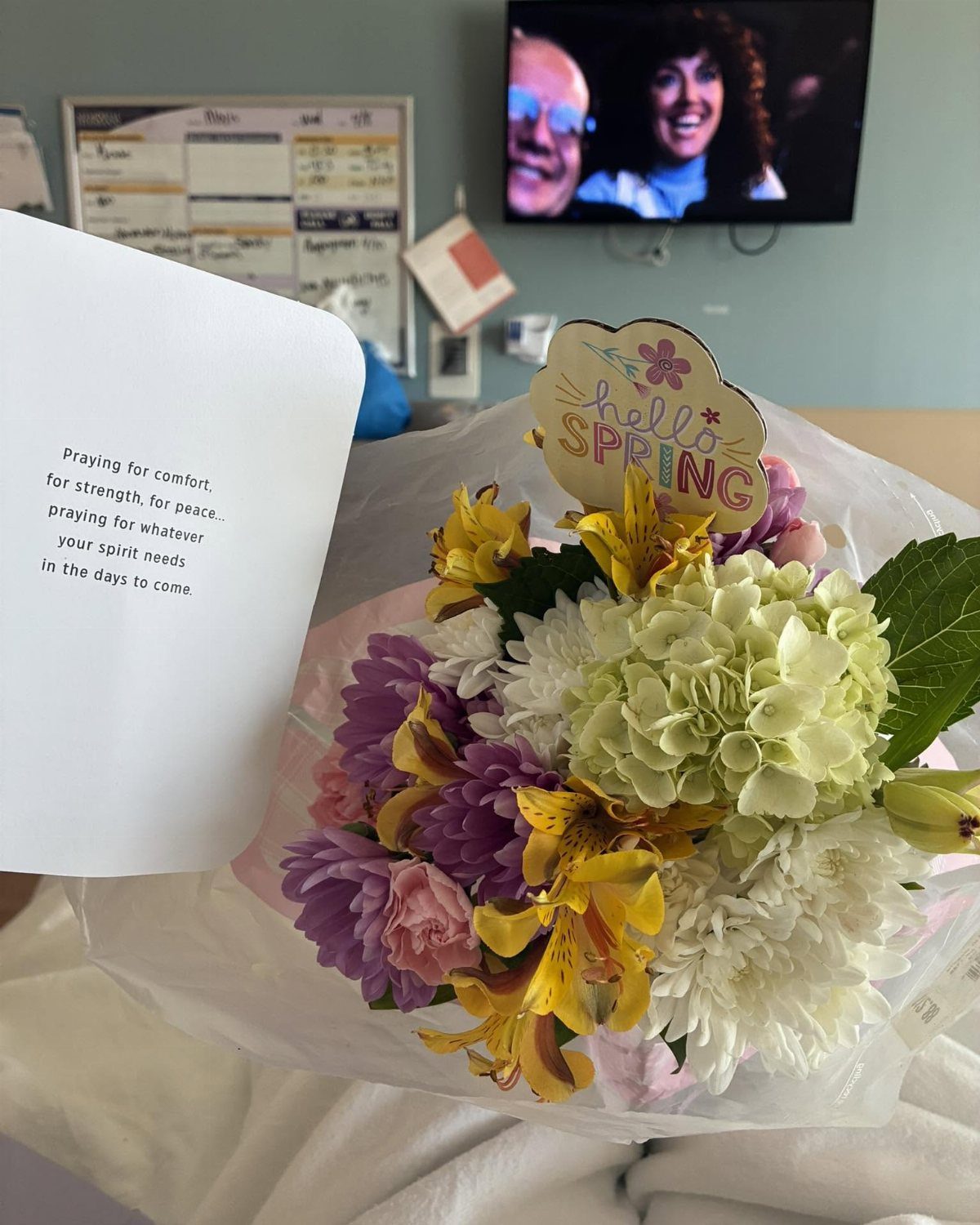
A mixed bouquet with a handwritten card is the classic hospital gift, and a bright one lifts a plain room faster than almost anything else.
Choose a bouquet in a vase or a sturdy wrapped sleeve so nobody has to hunt for a container. Write a short, warm line inside the card, as simple as "praying for comfort," rather than a long message.
Call the front desk before you go. Some units limit flowers, and a quick question saves a wasted trip.
Considerations for Care Packages
Skip anything with alcohol in it, including some mouthwashes and hand sanitizers, and keep scents mild or absent. Strong lotions, candles and perfumed soaps can bother a patient who is nauseated or sharing a room.
Allergens deserve the same caution. A quick text to the patient or a family member about diet limits, allergies and scent sensitivities will shape the whole package, so ask first and shop second.
Timing is another option. A package can also arrive after the hospital stay, once the person is home or in a rehabilitation center.
Stock it with daily basics like lip balm, tissues, phone chargers and snacks, so the patient or caregiver skips a store run, and deliver it a day or two after they are home and settled.
Importance of Personal Touch
A gift chosen for one person beats a generic one, even when the generic one costs more.
Pick items that match what the patient likes, uses or misses from home, and the package says you were thinking of them in particular.
Flowers are the default, but they are not the only choice. Older adults in particular often appreciate something practical or personal instead, so think about what would make their days easier.
A short handwritten note is the simplest personal touch. Name something specific you plan to do together once they are well.
Frequently Asked Questions
What to take to the hospital when visiting someone?
A hospital visit gift should be small enough to hold easily: a paperback book, a crossword or sudoku magazine, an adult coloring book with pencils, or a pouch with lip balm, lotion, phone wipes and mints.
A paperback beats a hardcover because it weighs less when you’re reading on your back. Check with the nurse’s station before you bring flowers or balloons, since ICUs and some other floors don’t allow them.
How to cheer someone up in the hospital?
Give them something chosen for them in particular, such as a cozy tray with a blanket, a mug of tea they like, and a handwritten note.
Hospital rooms are plain and pale, so a soft-toned blanket or a foil balloon adds color. Write a short note that mentions a specific plan for when they’re home, not a paragraph of sympathy.
What should I put in a hospital care package?
Start with items that fix small discomforts: fuzzy slippers, a travel mug with a lid, notebooks for questions to doctors, wipes and lip balm.
Add snacks like hummus, an orange and a protein bar if the nurses confirm there are no diet restrictions. Leave out anything with alcohol or fragrance if the patient is dealing with nausea or has a roommate.
Can I bring flowers or balloons to a hospital patient?
Most floors allow flowers and balloons, but a few don’t, so confirm before you make the trip.
If you do bring them, choose a bouquet already in a vase or sturdy sleeve, or a foil balloon, which holds its shape far longer than latex.
When is the best time to send a care package to someone who was in the hospital?
A day or two after they’re home and settled works well, and a package can also reach them in a rehabilitation center.
Fill it with things that save a trip to the store: chapstick, travel tissues, a backup phone cable, granola bars and gum. Ask about allergies, diet limits and scent sensitivities first.